
The Plan was Never the Hard Part
Why strategies fail at execution, and how the knowing-doing gap closes through trained behavior, not better planning.

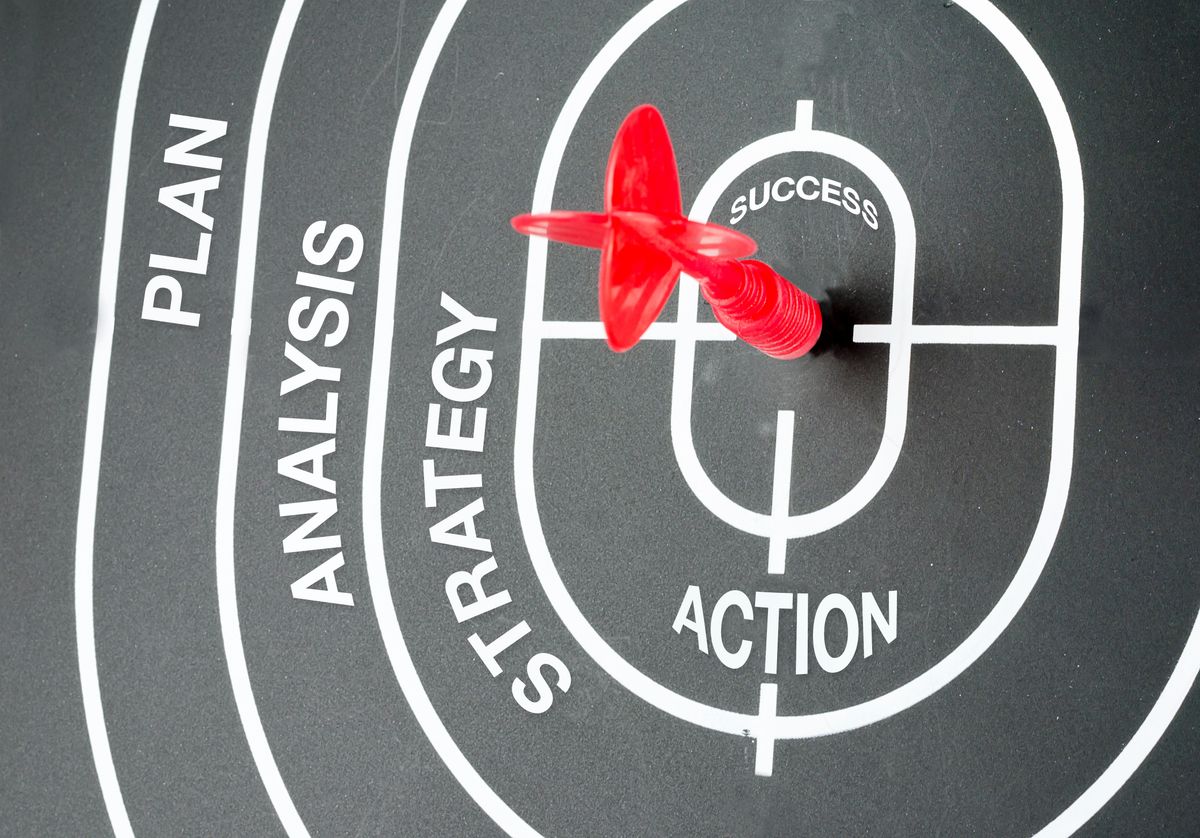
Every spring, leadership teams disappear into a planning ritual. Offsites, decks, a strategy refresh, and a fresh set of priorities everyone agrees on by Friday afternoon. The work is real, and the output usually is good. Since Michael Porter’s work in the 1980s, we have had a clear idea of what a sound strategy looks like, and most leadership teams can produce one.
Then the year happens, and the plan loses to the calendar.
The conventional answer is that the strategy was not clear enough, so we sharpen it. We add detail, tighten the priorities, and build a better roadmap. There is something to this; a vague strategy does fail, and clarity is worth the effort. But the harder truth sits in the knowing-doing gap: the distance between what an organization knows it should do and what it actually does when conditions get tight. The constraint is rarely a shortage of knowledge. Companies know what to do. They struggle to act on it when the pressure is real.
We see the same thing in our own work with leadership teams. The plan is almost never the problem. It shows up on an ordinary Tuesday, when the quarter turns, a customer escalates, and two functions need to hand off cleanly and don’t. The behavior everyone committed to in the room is the first thing to go when the room gets loud.
Thanks for reading Lead from the Front. This post is public, feel free to share the knowledge.
That gap is not a character flaw in your people, and wanting it more does not close it. Execution under pressure is a capability, built the way any capability is built: through repetition until the right move becomes automatic. The timeline is longer than anyone wants to hear. A new behavior takes about 66 days to become second nature, and for some people, well over 200. You do not decide your way across that gap. You train across it.
The mechanics are humbler than most strategy work. People who decide the trigger in advance (”when X happens, I will do Y”) follow through far more often than people who merely intend to do better. The specificity is the whole trick. “We will be more responsive to customers” is a hope. “When a customer flags a problem before noon, the account owner calls back the same day” is a behavior you can run, measure, and reinforce until it becomes second nature, without anyone having to think about it.
None of this makes strategy less important. It means the strategy was the part you already knew how to do. The capacity to carry it out under pressure is the part most teams never build, and it is the part that decides whether any of the planning mattered.
The plan was never the hard part. Carrying it out when the day fights back is, and that capability can be built.